September 17, 2026
How Does a Kangal Puppy Learn Not to Chase Chickens? The Secret Behind Raising a True Guardian
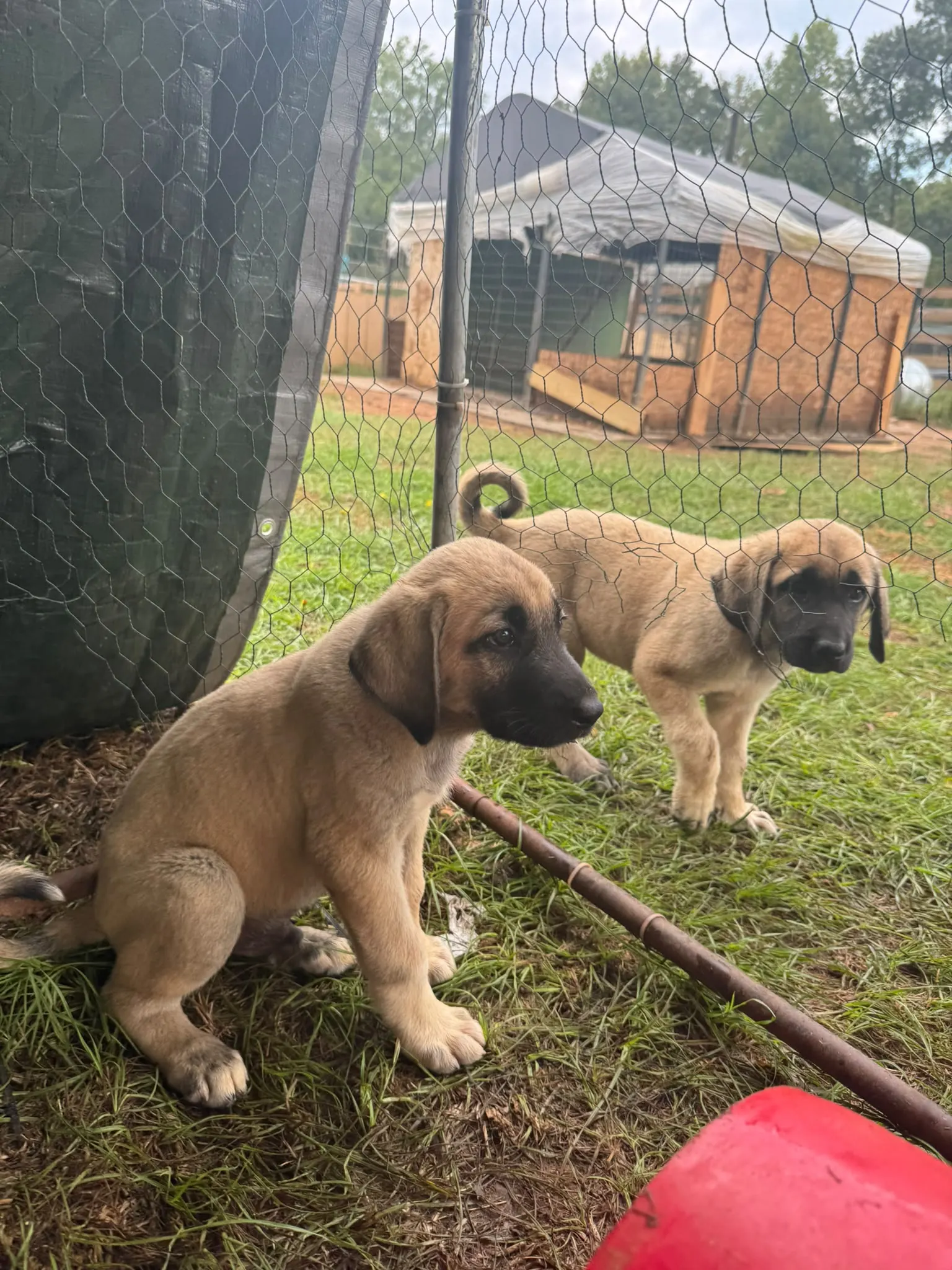
One of the biggest fears for any homesteader or livestock owner is bringing home a massive dog only to find it harassing the coop or stressing the livestock. In typical domestic breeds, prey drive is triggered by sudden movements: a flapping hen or a running kid goat screams "chase" to their predatory instincts.
So, how does a young Farmora Kangal puppy learn to walk quietly among 300+ free-ranging poultry, goats, and sheep without ever viewing them as prey?
1. The Genetic Filter: Low Prey Drive, High Guardianship
True working-line Kangals have been refined for millennia in Central Anatolia with an intentional biological switch: subdued predatory drive and heightened protective bonding. To a true Kangal, livestock are not game to hunt; they are an extension of the dog's own pack. But while genetics provide the blueprint, environment finishes the structure.
2. The Critical Imprinting Window (Weeks 3 to 12)
What a puppy experiences during its early sensory window shapes its reality for life. Puppies whelped in concrete kennels or backyard pens might encounter livestock for the first time at 3 or 4 months old, often mistaking running poultry for moving chew toys.
At Farmora Kangals, our litters are exposed to the rhythms of the working farm from day one:
Sound desensitization: Crowing roosters, clucking hens, and bleating goats are not triggers—they are simply the white noise of home.
Scent imprinting: The scent of sheep wool, poultry feathers, and farm soil fuses into the pup’s definition of "pack."
Normalizing erratic movement: When a turkey flutters its wings or a goat suddenly sprints, the puppy remains completely neutral. The instinct to stalk and lunge never develops because the environment never allows it to feel novel.
3. The Ultimate Mentors: Lara, Mira, and Pars
Humans can teach basic obedience, but they cannot teach livestock etiquette half as effectively as adult Kangals. Puppies learn by mirror behavior:
They watch Pars patrol the perimeter, completely ignoring a rooster scratching near his paws while his gaze stays locked on the tree line.
They observe dams like Lara and Mira showing calm tolerance to wandering livestock.
If an overly enthusiastic pup makes a clumsy dash toward a duck, it is usually the mother who intervenes first—offering a subtle postural correction that establishes farm manners faster than any human training ever could.
What This Means for Your Homestead
When you welcome a Farmora puppy or a started guardian to your land, you are not starting from square one with a wild card. You are introducing a young guardian that already speaks the language of livestock, understands farm boundaries, and is hardwired to watch over your stock—never hunt them.
Looking for a Kangal?
Our puppies are farm-raised in Milledgeville, Georgia, from working parents that guard over 300 birds every night.