September 13, 2026
The Critical Difference Between a Kangal and Other Herding Dogs: Not a Follower, but an Independent Decision-Maker
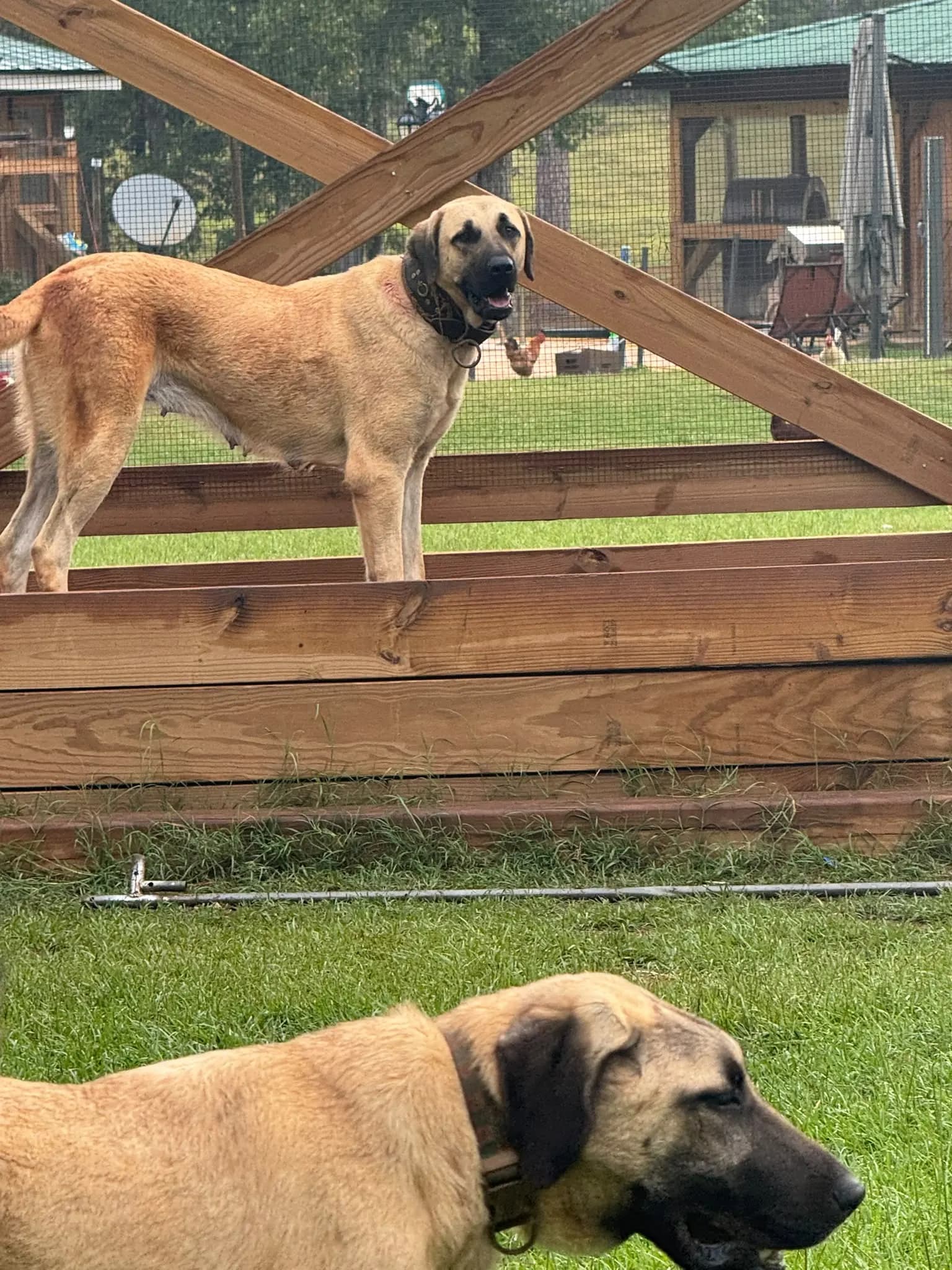
When people bring home a Kangal, many expect it to function like a Border Collie or a German Shepherd—awaiting the next command with eager eyes. But a Kangal is not a herding dog; it is an ancient, finely tuned Livestock Guardian Dog (LGD).
Understanding this distinction is vital for setting expectations, building trust, and keeping your homestead secure.
1. The "I Know My Job" Mindset
Traditional herding dogs look to the shepherd for guidance: hand signals, whistles, and verbal cues dictate their every move. The Kangal, developed over centuries in the unforgiving terrain of Anatolia, had to survive and protect stock miles away from human help.
A working Kangal does not seek permission to neutralize a threat.
It observes, assesses risk levels, and acts autonomously.
2. The Escalating Threat Protocol: Deter First, Engage Last
A well-bred Kangal is never an erratic, reckless attacker. It is a calculated strategist that conserves its energy for when it truly counts:
Presence & Posturing: It positions itself on high ground, displaying its imposing silhouette along the fenceline. For most coyotes and wandering predators, this visual alone is enough to turn them away.
The Resonant Warning Bark: If the threat persists, the Kangal unleashes a deep, chest-rattling bark that signals the boundary clearly into the night.
Intercept & Position: If the predator inches closer, the dog places its physical bulk directly between the danger and the herd.
Physical Engagement: If the intruder refuses to back down, the Kangal deploys its legendary bite force and athletic agility.
3. Why Farm-Raised Matters Over Kennel-Raised
While these protective instincts are deeply encoded in the breed’s genetics, they must be calibrated through early environmental exposure. A pup confined to a sterile concrete kennel may perceive the frantic flap of a chicken's wings as prey rather than something to protect.
On our working farm, our puppies take their very first steps among 300+ poultry, goats, and sheep. They learn herd dynamics naturally, discovering what normal livestock movement looks like while working shoulder-to-shoulder with proven working parents like Lara, Mira, and Pars.
The takeaway: When you invest in a true working-line Kangal, you are not hiring an obedient employee—you are bringing on a fearless, autonomous Head of Security for your land.
Looking for a Kangal?
Our puppies are farm-raised in Milledgeville, Georgia, from working parents that guard over 300 birds every night.